

…Back Women Quota, State Police
By Franklin Adole
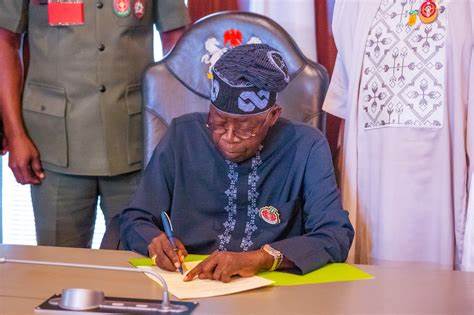
President Bola Tinubu has reaffirmed his administration’s support for constitutional reforms designed to strengthen institutions, deepen federalism, and protect citizens’ rights.
Speaking at the National Public Hearing on the Review of the 1999 Constitution in Abuja, Tinubu—represented by Secretary to the Government of the Federation, Senator George Akume—described the review as a “golden opportunity” to entrench good governance, inclusivity, and sustainable development. He urged Nigerians to actively contribute ideas that would shape a stronger democracy.
“The Constitution is not static but a living document that must continually respond to the realities and aspirations of our people,” he said. “The quality of ideas generated here will shape laws and institutions that will serve generations yet unborn.”
The president praised the review committee for creating an inclusive platform that engages citizens, civil society, political parties, professional bodies, and traditional institutions.
Speaker of the House of Representatives, Abbas Tajudeen, described the process as a pivotal moment in Nigeria’s democratic journey. He pledged that the National Assembly would fast-track the passage of amendments and ensure timely transmission to State Houses of Assembly.
“Reform delayed is reform denied, and Nigerians deserve clarity and closure. We intend to vote on the proposals expeditiously and give the states enough time to deliberate and endorse the people’s will,” he said.
Among the proposed amendments highlighted by the Speaker are reserved seats for women in federal and state legislatures, guaranteed representation for persons with disabilities, gender quotas in ministerial appointments, and advisory roles for traditional rulers in peacebuilding and community security.
Deputy Speaker Benjamin Kalu, who chairs the Constitution Review Committee, said the process had been informed by broad consultations, including memoranda, public hearings, and regional engagements. He disclosed that the committee had compiled 87 amendment bills.
He noted that the most consequential proposals include electoral reforms such as independent candidacy, the creation of an Electoral Offences Commission, and strict timelines for resolving pre-election disputes. Others include local government autonomy and the devolution of policing powers from the Exclusive to the Concurrent Legislative List, paving the way for state and community policing.
“Constitutional reform is a marathon, not a sprint. The ultimate authority resides with the sovereign people of Nigeria, whose engagement is crucial to see this process through,” Kalu said.
Discover more from Keeping Them Honest
Subscribe to get the latest posts sent to your email.