

By Yinka Giwa
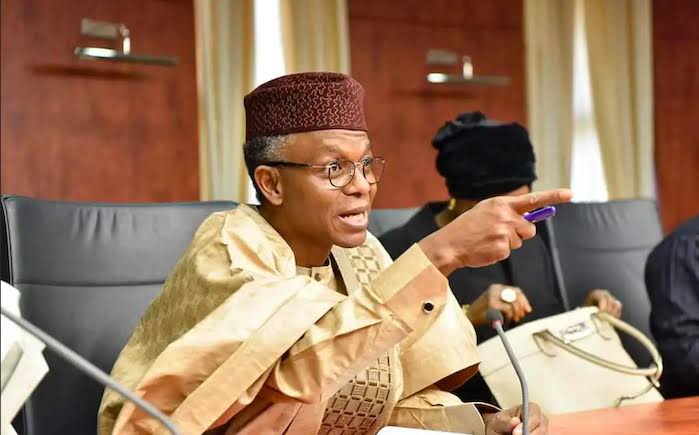
The Presidency has downplayed recent comments by former Kaduna State Governor Nasir El-Rufai, suggesting that he and a new opposition coalition could unseat President Bola Tinubu in 2027. In a pointed response, presidential media aide, Sunday Dare, said El-Rufai lacks the electoral strength to pose any real challenge.
Speaking on the Mic On Podcast, Dare said El-Rufai is “not 110 million Nigerian voters,” dismissing the former governor’s influence as overrated. He maintained that President Tinubu’s economic and governance reforms would secure him a second term.
“El-Rufai is not bigger than any Nigerian,” Dare asserted. “There are people with broader appeal, deeper reach, and more significant roles in the country’s transformation. We respect him, but he’s not a political game-changer.”
El-Rufai recently joined a political alliance that adopted the African Democratic Congress (ADC) as its platform. The coalition, according to him, aims to defeat President Tinubu in 2027, citing widespread dissatisfaction with the current administration.
However, mounting criticism of the President’s economic policies appears to reinforce El-Rufai’s position. Former Vice President Atiku Abubakar slammed the administration’s removal of fuel subsidy as “thoughtless,” blaming it for spiraling inflation, deepening hunger, and social despair.
Atiku also condemned the continued detention of labour activist Comrade Andrew Emelieze, arrested for planning a protest over unpaid wage awards. He described Emelieze’s detention as a blow to democracy and a symptom of what he called Tinubu’s “authoritarian drift.”
Meanwhile, the Archbishop of Ondo Province, Most Rev. Simeon Borokini, raised concerns about the toll of economic hardship on both citizens and institutions. At a church synod in Akure, the cleric noted that many churches are struggling due to members’ inability to contribute financially.
Borokini, however, praised the government’s security efforts in the North and its progress on infrastructure and foreign exchange reforms. He rated the Tinubu administration at “60 percent,” but stressed the need for urgent job creation and national economic recovery.
He warned that youth unemployment could fuel social unrest and urged the federal government to invest more in industries and public works. “We’re not asking for jobs for everyone,” he said, “but we must create opportunities to reduce desperation.”
Despite the government’s optimism about reforms, the voices of political opposition, religious leaders, and civil society suggest a growing national debate over whether President Tinubu’s leadership can meet the expectations of a frustrated populace ahead of 2027.
Discover more from Keeping Them Honest
Subscribe to get the latest posts sent to your email.