

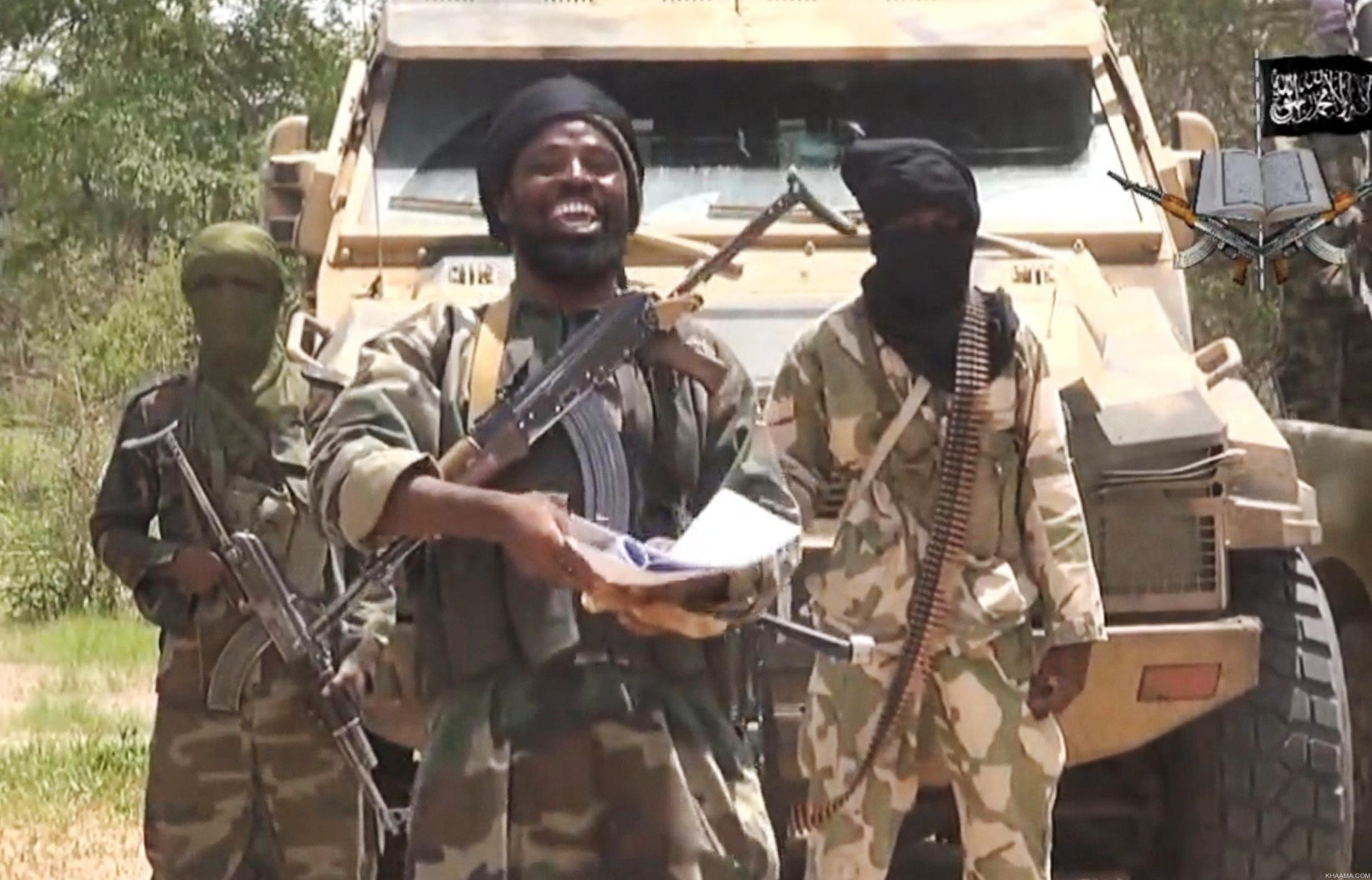
The United States Armed Forces, under the aegis of its Africa Command, AFRICOM, has raised alarm that terror organizations such as Boko Haram and Islamic State West Africa Province, ISWAP, are targeting the Nigerian and West African coastline for access to the sea. AFRICOM says that this is to enable them to directly control illegal arms shipments and other criminal trades to enhance their activities in the region.
AFRICOM Commander, Gen Michael Langley, who spoke during a press conference at the African Chiefs of Defence Conference held in Nairobi, Kenya, warned that terrorists’ incursion on the West African coast would not only put African nations in greater danger but also increase the level of threat to the interests of the United States.
He expressed concern over increased attacks in Nigeria, the wider Sahel, and the Lake Chad Basin, warning that access to the coast by the terrorists would greatly enhance their capacity to engage in smuggling and illicit arms trade.
No fewer than 37 senior military chiefs from various African nations attended the weekend event alongside US defence officials.
Langley said, “Attacks are resurging in the Lake Chad region as well, and extremist groups are growing more aggressive. The recent attacks in Nigeria and across the Sahel are deeply concerning.”
“The scale and brutality of some of these incidents are troubling. So we’re monitoring this closely.
“One of the terrorists’ new objectives is gaining access to West African coasts. If they secure access to the coastline, they can finance their operations through smuggling, human trafficking, and arms trading.
“This puts not just African nations at risk, but also increases the chance of threats reaching the US shores.”
The US AFRICOM Commander said his visit to Nigeria in last November provided a firsthand view of Nigerian defence efforts and how the US has supported them.
He said , “During my visit, I sat with Nigerian defence leaders to understand how we can help. The US acts with its partners—and in Nigeria’s case, we work together to combat Boko Haram and ISIS West Africa in pursuit of regional security.
“We are committed to supporting one of the most capable militaries in the region—Nigeria’s. Although our withdrawal has reduced our ability to monitor some developments directly, we maintain strong liaison and provide support where possible.”
The AFRICOM commander urged other frontline coastal states, including Ghana, Côte d’Ivoire, and the Benin Republic, to continue to secure their northern borders to prevent the terrorists from infiltrating from the Sahel region, promising sustained US support.
While acknowledging that the partial withdrawal of US forces from parts of Africa had constrained America’s ability to monitor and respond swiftly to terrorist activities,
he stressed the US’ continued commitment to counterterrorism partnerships, while respecting national sovereignty.
“We respect nations’ sovereignty and only go where we’re asked as long as it aligns with U.S. national security objectives,” he said.
Langley also noted that despite the strained relationship with Burkina Faso, the US would continue efforts to foster dialogue with the West African country.
“The US seeks opportunities to collaborate with Burkina Faso on counterterrorism challenges. I invited Burkina Faso’s chief of defence to the African Chiefs of Defence Conference because I believe in maintaining that dialogue. So it’s still open,” he said.
He also disclosed that AFRICOM had stepped up operations in East Africa, particularly in Somalia.
“At the request of the Somali government, we’ve conducted over 25 airstrikes this year alone—twice as many as last year—targeting jihadist groups,” Langley said.
Langley expressed delight that, despite the challenges, African countries have continued to confront their security issues without waiting for any external help.
Discover more from Keeping Them Honest
Subscribe to get the latest posts sent to your email.