

By Fredrick Nwabufo
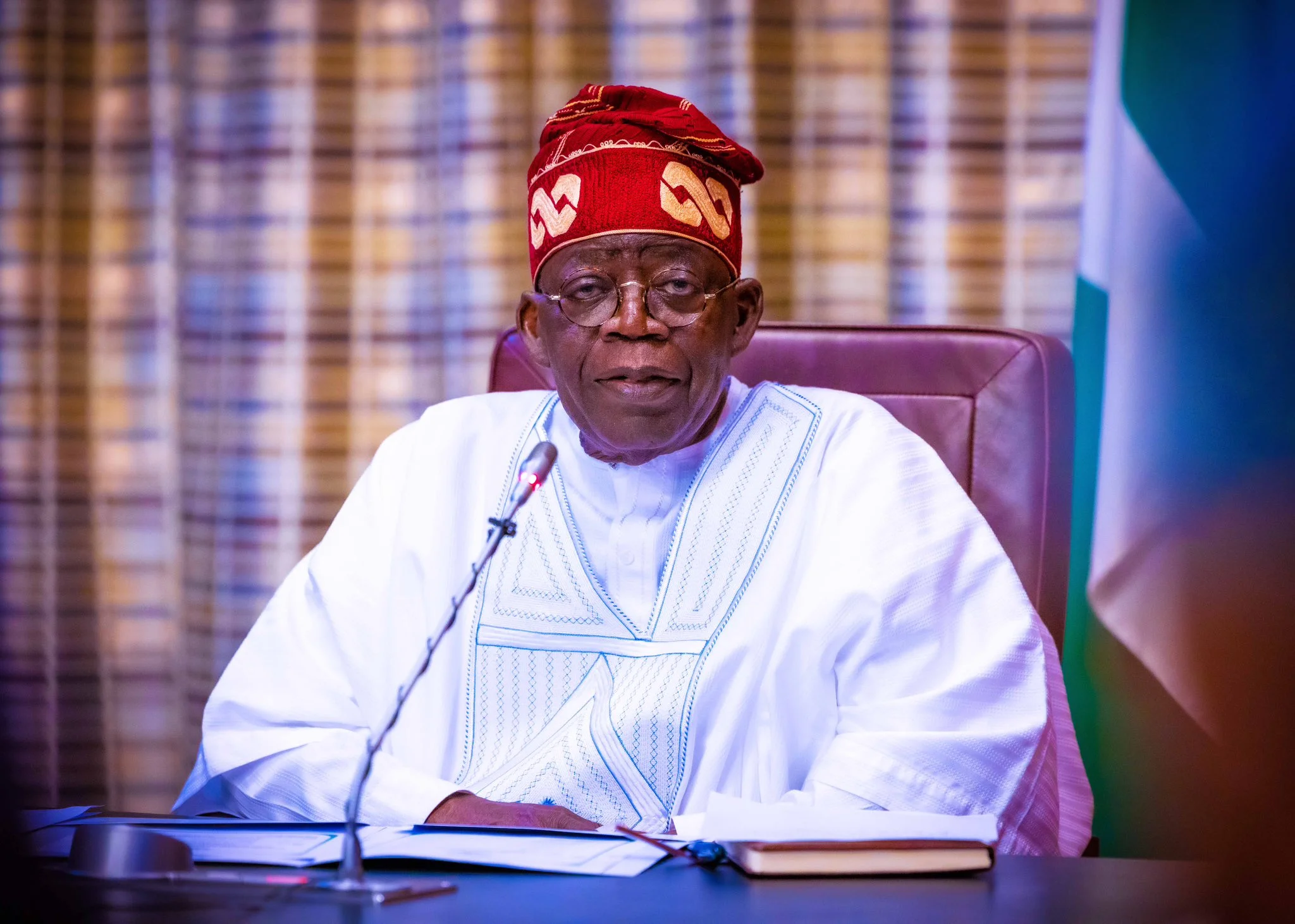
There are heightened expectations and excitement as President Bola Tinubu visits the tropical island of Saint Lucia today.
President Tinubu is on a two-day official visit to the island, which serves as the headquarters of the Organisation of Eastern Caribbean States (OECS).
The aim of the visit is to deepen Nigeria’s engagement with Caribbean nations and strengthen South-South cooperation.
Apparently, the president’s visit has been in the news for weeks on the island across different media channels, TV, radio, print, and even in schools.
The visit is on the lips of many citizens, from Hewanorra Airport to the city, it is, “the Nigerian President is visiting us.”
I undertook a tour of a part of the island to feel the pulse of the people. There is real excitement with regard to the president’s visit.
A citizen from the Laffyie community around Rodney Bay told me, “Nigeria-Caribbean cooperation is long overdue.”
“It is good to have our big brother home.”
We went on to discuss Bob Marley and Marcus Garvey viz-a-viz the call for Africans all over the world to unite.
Another citizen told me the visit is the most significant by any African leader.
Saint Lucia is an important gateway to the Caribbean as Nigeria deepens cooperation with the region.
The 15 Caribbean states and members of CARICOM cumulatively have a GDP of $130 billion.
Nigeria has a strong cultural influence on the country. Nollywood and Afrobeats are mainstream entertainment for the island. It is like taking a stroll on any street in Nigeria, songs by Nigerian music stars blaring from happy loudspeakers.
I believe providence has put Nigeria on the rostrum to provide leadership not only in Africa but in every corner of the world where there are Africans.
It is our destiny.
Africans unite.
Fredrick Nwabufo is senior special assistant to the President on Public Engagement.
Faith, youth and NDLEA’s new drug warfront
By Arafat A Abdulrazaq
Every 26 June, the world observes the “International Day Against Drug Abuse and Illicit Trafficking”. It is a moment to reflect, recommit and rally global action around one of the most devastating public health and security threats of our time.
World Drug Day is more than a ceremonial date. It is a national and personal reckoning — a call to action that reminds us the drug crisis is not some abstract menace. It is real. It is here.
It is unfolding in homes, schools, markets, and even places of worship. This year, the National Drug Law Enforcement Agency (NDLEA) deserves more than applause.
Under the proactive leadership of Brigadier-General Mohamed Buba Marwa (Rtd), the agency has transformed what would have been a routine one-day observance into a full week of coordinated, cross-sectoral engagement.
From mosques to markets, classrooms to churches, NDLEA’s 2025 strategy is reaching where it matters most — with intention and clarity. The campaign begins with a Juma’at service at the National Mosque and continues with a Sunday thanksgiving service at Mountain of Fire Ministries.
These spiritual touchpoints are not incidental — they are strategic. In a country as deeply religious as Nigeria, clerics remain some of the most powerful conveyors of values.
If drug abuse is to be tackled from the roots, pulpits and minbars must echo the message of prevention, healing, and redemption. But it does not stop there. Youth engagement is a central plank of this year’s approach.
NDLEA’s national essay competition — titled, “Why I Must Not Take Drugs” — is more than an exercise in writing. It is a seed of transformation. When a young person pens those words, they do not just express them, they embody them.
They become living campaigns in their communities — ambassadors of the War Against Drug Abuse (WADA). And when faced with real-life temptations, that internalised vow may be the very shield they need.
Every year, World Drug Day adopts themes aligned with global realities. This year’s Nigerian theme — “The Evidence is Clear: Invest in Prevention” — is as urgent as it is appropriate.
Our streets are bearing the scars of drug abuse. From broken homes and school dropouts to crimes driven by addiction and trafficking, the evidence is not just clear — it is everywhere.
That is why NDLEA’s outreach to vulnerable youth in markets and motor parks deserves full credit. These are the zones where traffickers recruit, where society often looks away. NDLEA is not looking away. It is stepping in.
Of course, no war is fought in isolation. The United Nations Office on Drugs and Crime (UNODC) remains a critical ally, providing support on forensic capacity, law enforcement training, and cross-border collaboration.
Danilo Campisi, speaking for UNODC, said it best: “If the states are not involved, progress will be limited.” That single sentence captures the heart of the challenge. Drug prevention must move beyond Abuja.
It must take root in states, local government areas, schools, faith groups, and households. This year’s campaign is designed exactly for that: local ownership, national impact.
If there is one takeaway from this year’s World Drug Day, it is this — we must not stop talking.
We must reach those already struggling with addiction and offer them hope.
We must speak to those flirting with temptation and show them the emptiness that path leads to. Shame and silence fuel the crisis. Compassion and clarity disarm it.
Nigeria is not just observing World Drug Day this year — we are living it. Thanks to NDLEA’s bold strategy and UNODC’s partnership, the fight is becoming a movement.
Let us commend NDLEA not just for intercepting drugs, but for intercepting lives before they spiral. For choosing engagement over apathy, and prevention over punishment.
In this war, such leadership is not just commendable. It is essential.
Arafat A Abdulrazaq is with the Centre for Crisis Communication (CCC), Abuja. He can be reached via: [email protected].
Discover more from Keeping Them Honest
Subscribe to get the latest posts sent to your email.