

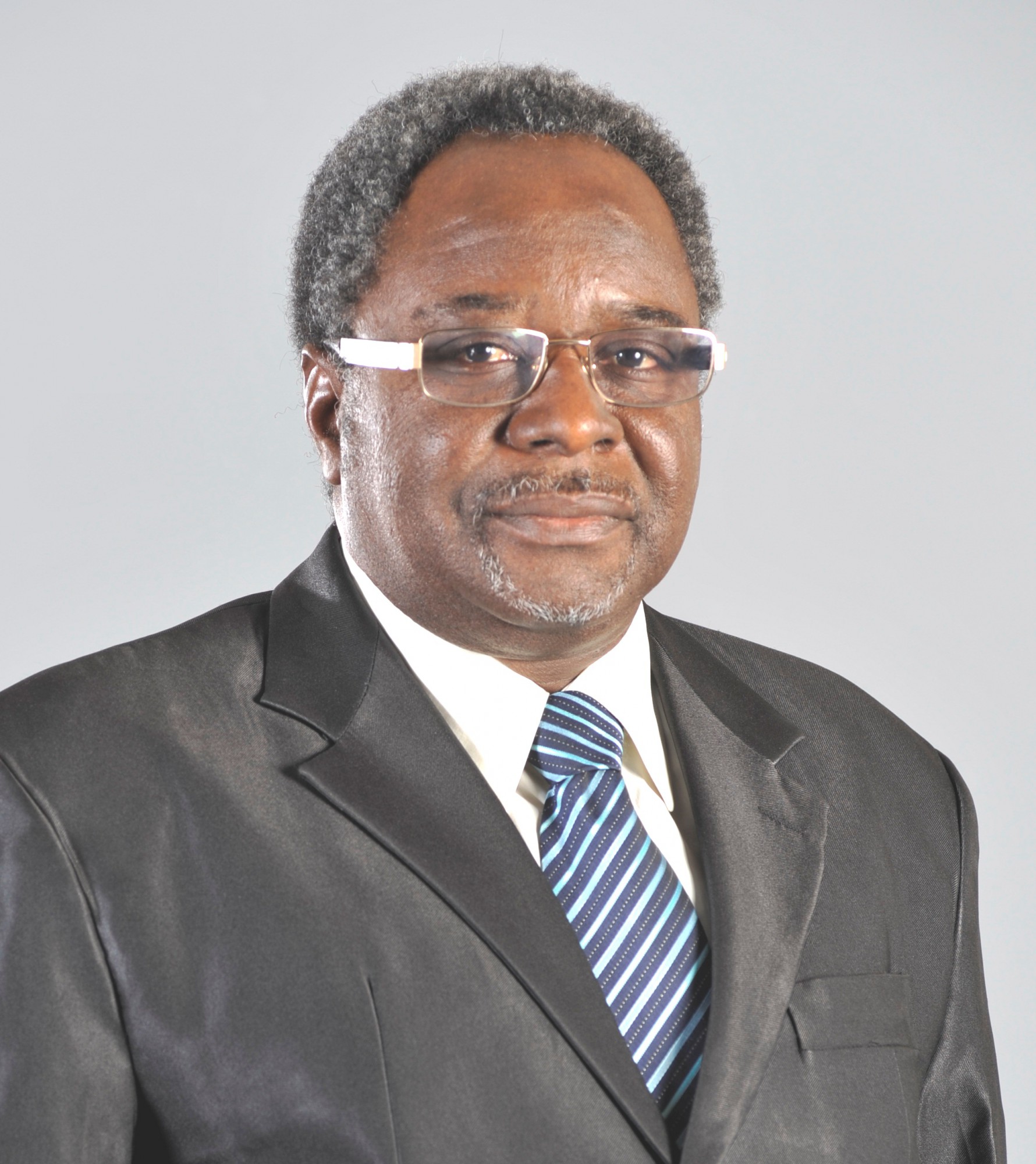
The Nigerian Academy of Science (NAS), has urged scientists across the country to join forces with governments to develop the nation’s science, technology and innovation ecosystem.
It made the call yesterday in Abuja inducted eleven scientists as Fellows of the academy and a public lecture.
The theme of the event was: “Innovative Research and Strategic Partnerships: Catalysts for Sustainable Institutional Development.”
The President of NAS, Prof. Abubakar Sambo, said the induction was the hallmark of year-long activities by academy aimed at promoting excellence in the Nigerian science and technology space.
Sambo said: “these inductees are the best scientists the country has produced. They have qualified to become Fellows because the guidelines we put in place are very stringent.
“That is why anybody who has succeeded to become a fellow is really a distinguished scientist that is capable of using his own specialisation to proffer policy frameworks on science and technology for significantly moving the country forward.”
The inducted scientists were Abiodun Adebayo, a professor of Biochemistry and former Vice-Chancellor of Covenant University, Prof. Aina Olubukola, a professor of Aquatic Toxicology.
Others were Bosede Afolabi, a professor of Obstetrics and Gynaecology, Prof. John Anetor, a clinical chemist and toxicologist, Prof. Olatunbosun Arinola, a zoologist, Olugbenga Bello and a professor of Physical Chemistry.
The list also included Adegoke Falade, a Paediatric Pulmonology, Prof. Leo Osuji, a scientist in Geochemistry and Oil Pollution Studies.
Others are Kenneth Ozoemena, a chemistry professor, Prof. Uchechukwu Vincent a physicist and Charles Mbohwa, a professor of engineering.
Prof. Babatunde Rabiu, Research Director, National Space Research and Development Agency (NASRDA), while delivering the public lecture recommended an internal structure to drive inter-ministerial, agencies’ collaborations.
“The Tertiary Education Fund should consider sponsorship of sustainable strategic partnerships among the higher institutions as a means of sustaining its multi-billion investment over the years.
He advised that: “TETFund Act should be revisited to allow some Nigerian institutions to host international scholars and academics on cross-institutional exchange programmes.
“The Federal Government of Nigeria should do everything possible to ensure that the mandate and activities of TETFund are preserved under the new tax reform dispensation.”
He also said that innovative research and strategic partnerships were essential catalysts required for sustainable development of tertiary institutions and research and development establishments.
Discover more from Keeping Them Honest
Subscribe to get the latest posts sent to your email.