

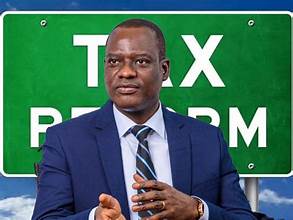
The Federal Government on Wednesday said that petrol subsidy savings have mobilised N15.8 trillion in resources for the federation between June 2023 and December 2025.
Minister of Finance and Coordinating Minister of the Economy, Taiwo Oyedele disclosed this in Abuja at a media conference on the scorecard of Nigeria’s reforms between 2023 and 2026.
Oyedele said the savings from the reforms had provided additional resources for government to fund critical programmes and interventions across the country.
“Between June 2023 and December 2025, subsidy savings mobilised a sum of N15.8tn in resources for the Federation,” he said.
The minister outlined several areas where the government had deployed resources generated through the reforms, saying the measures were aimed at cushioning their impact while improving the welfare of Nigerians.
According to him, the reforms have contributed to wage increases and the timely payment of salaries and pensions, as well as the settlement of pension arrears and gratuities owed to retirees.
He also listed gains in the capital market, infrastructure development and improved access to affordable credit among the benefits of the reforms.
Oyedele said the government had also expanded access to student loans through the Nigerian Education Loan Fund (NELFUND), while supporting affordable consumer and small and medium enterprise (SME) credit.
Other interventions, he said, included subsidised mortgage and housing schemes, as well as social transfers targeted at about 15 million vulnerable households.
The minister said agricultural interventions had also been strengthened as part of efforts to improve food security and reduce the impact of rising food costs on households.
He further cited improved fuel availability and efforts to address energy shortages despite global economic shocks as some of the outcomes of the reforms.
According to him, the reforms have also helped restore investor confidence, leading to increased local and international investments.
On taxation, Oyedele said the government had introduced exemptions for low-income earners and small businesses while working towards creating a more business-friendly tax environment.
He said the reforms should therefore be assessed not only by their immediate costs but also by the economic benefits and potential harm they had helped the country avoid.
The minister maintained that the government remained committed to ensuring that resources generated through the reforms were channelled into programmes and investments capable of improving living standards and strengthening the Nigerian economy.
Discover more from Keeping Them Honest
Subscribe to get the latest posts sent to your email.