

By Jeremy Fregene
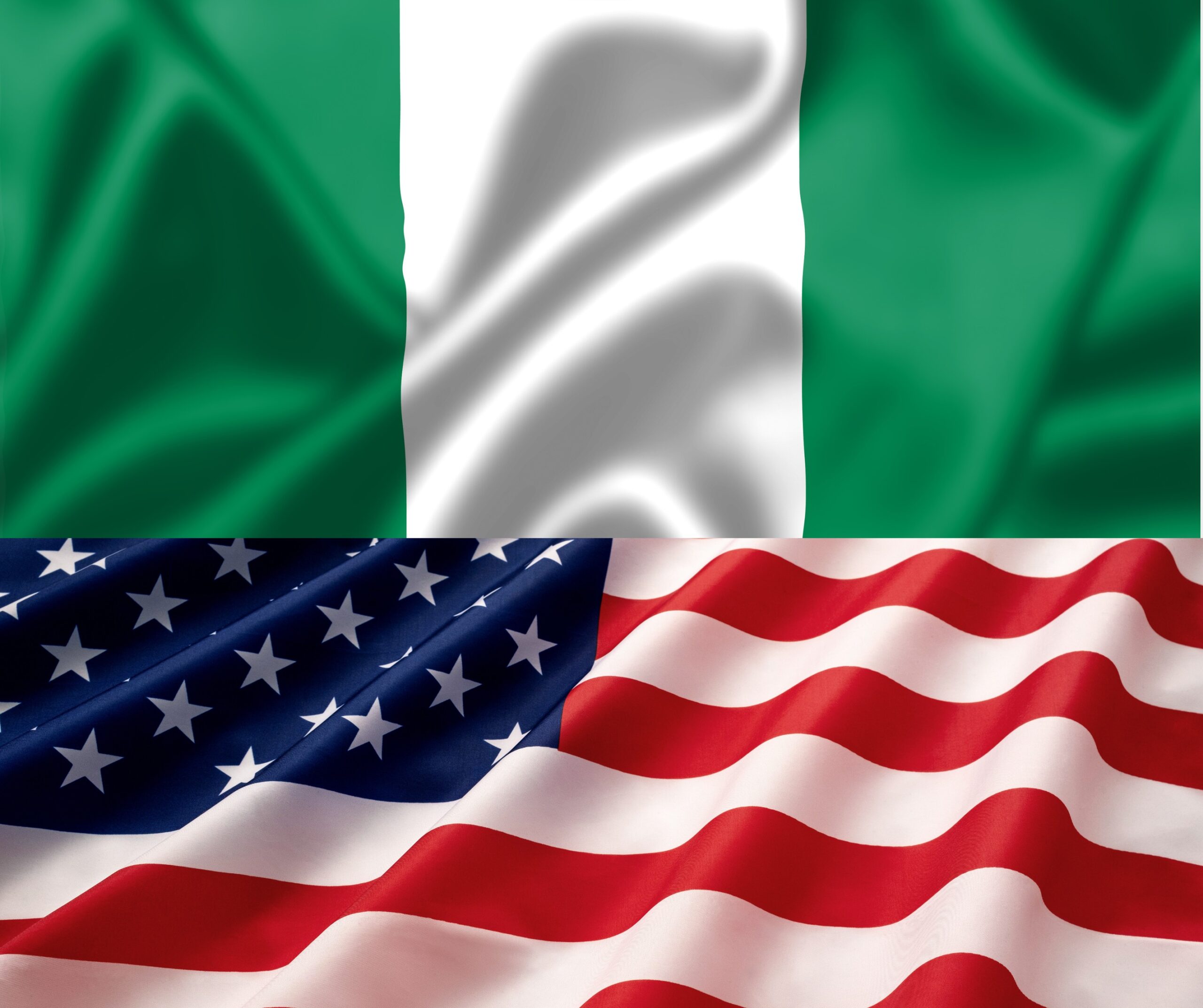
The United States has imposed fresh tariffs on Nigerian exports over what it described as the country’s failure to curb forced labour in its supply chains, while also condemning the recent killing of members of the family of Rev. Ezekiel Dachomo in Plateau State.
The twin actions came on Friday as Washington announced new trade measures affecting more than 80 countries and renewed its call on the Nigerian government to strengthen security in the wake of the latest violence in the country’s Middle Belt.
Under the new trade policy, Nigeria will face tariffs of between 10 and 12.5 per cent on exports to the United States, with oil, gas, and fertiliser exempted.
The tariffs replace the earlier global 10 per cent duty introduced by President Donald Trump and follow a five-month investigation by the Office of the United States Trade Representative (USTR) into efforts by America’s trading partners to eliminate products made with forced labour from their supply chains.
According to the USTR, Nigeria was among 54 economies found to have failed to enact or effectively enforce legal prohibitions on the importation of goods produced wholly or partly through forced labour.
The agency concluded that Nigeria’s failure to impose and enforce such restrictions was “unreasonable” and imposed an unfair burden on U.S. commerce.
“The United States has had a forced labour import ban for nearly a century and rigorously enforces it; it’s well past time for our trading partners to do the same,” U.S. Trade Representative Jamieson Greer said.
He described forced labour as both a human rights abuse and a trade distortion, saying the new tariffs were intended to improve workers’ welfare globally and encourage compliance with international labour standards.
The U.S. argued that forced labour continues to thrive because international trade creates financial incentives for its use, allowing producers to generate substantial revenues through goods manufactured under exploitative conditions.
Citing International Labour Organisation (ILO) estimates, Washington noted that about 27.6 million people worldwide were trapped in forced labour as of 2021, with 86 per cent of the practice occurring in the private sector.
The U.S. maintained that eliminating forced labour was both a moral and economic imperative, insisting that goods produced through such practices should have no place in international trade.
Separately, the U.S. Department of State condemned what it described as the “horrific killing” of members of the family of Rev. Ezekiel Dachomo in Plateau State.
In a statement issued through the Office of the Assistant Secretary of State for African Affairs, Washington called for those responsible to be brought to justice and urged Nigerian authorities to take urgent steps to improve security and protect vulnerable communities.
The U.S. said the continued violence against people of faith and other vulnerable populations in Nigeria’s Middle Belt remained deeply troubling.
It extended condolences to the bereaved families and reaffirmed its commitment to working with the Nigerian government to combat terrorism and violent extremism, stressing that all Nigerians should be able to live and practise their faith without fear of violence or persecution.
Discover more from Keeping Them Honest
Subscribe to get the latest posts sent to your email.