

…NFIU: Improved safeguards boosting investor confidence, global transactions
…EFCC, ICPC record major anti-corruption successes
By Abu Adamu
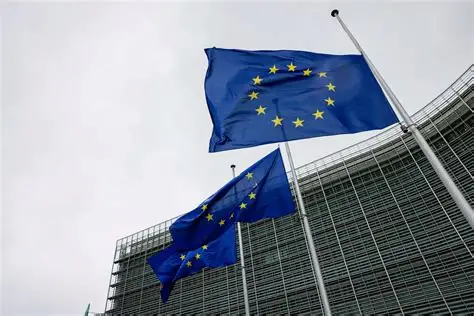
Nigeria has been removed from the European Union’s list of high-risk third countries following significant progress in tackling terrorism financing and money laundering, in what officials described as a major boost to the country’s international financial standing.
The disclosure was made on Thursday by the Head of Strategic Communications of the Nigeria Financial Intelligence Unit (NFIU), Aishatu Bantam, during a joint security briefing by defence, security, law enforcement and emergency response agencies coordinated by the Office of the National Security Adviser (ONSA) in Abuja.
Bantam said the EU’s decision, which took effect on 29 January, followed sustained improvements in Nigeria’s anti-money laundering and counter-terrorism financing regime, strengthened enforcement measures and closer collaboration among key government institutions.
She noted that the development would improve Nigeria’s access to the global financial system by strengthening correspondent banking relationships, lowering the cost of international transactions, facilitating cross-border payments and remittances, and enhancing investor confidence.
According to her, the NFIU has intensified cooperation with agencies including the Economic and Financial Crimes Commission (EFCC), the Nigeria Police Force, the Corporate Affairs Commission, and financial regulators to convert suspicious transaction reports into criminal investigations, prosecutions, and asset recoveries.
She added that preparations were already underway for Nigeria’s 2027 Mutual Evaluation, with a comprehensive National Risk Assessment involving about 55 public and private sector institutions aimed at further strengthening the country’s financial crime detection and compliance systems.
Bantam also disclosed that Nigeria had expanded intelligence-sharing partnerships with Mozambique, the Republic of Congo, and The Gambia, while investing in blockchain analytics, cryptocurrency intelligence, and digital asset tracing to address emerging financial crime threats.
She revealed that the Nigeria Sanctions Committee had designated six individuals and three entities over alleged links to the financing of the Islamic State West Africa Province (ISWAP), directing financial institutions to freeze all related assets.
According to her, the United States Office of Foreign Assets Control (OFAC) has also sanctioned one of the designated individuals and two associated companies, highlighting growing international cooperation against terrorism financing.
She reaffirmed the NFIU’s commitment to strengthening regulatory compliance, deploying artificial intelligence in financial intelligence operations, and expanding global partnerships ahead of the country’s next international assessment.
Also speaking, EFCC spokesman Dele Oyewale said the anti-graft agency secured 915 convictions for economic and financial crimes between January and April 2026, underscoring the commission’s sustained campaign against corruption.
Among those convicted, he said, were former Managing Director of NEXIM Bank, Robert Orya; former Senator representing Akwa Ibom North-East, Albert Bassey; former Acting Accountant-General of the Federation, Chukwunyere Anamekwe Nwabuoku; and former Minister of Power, Saleh Mamman.
Oyewale said the convictions reflected the Federal Government’s commitment to transparency, accountability, and the rule of law.
On its part, the Independent Corrupt Practices and Other Related Offences Commission (ICPC) said it secured 20 convictions and recovered more than N5.79 billion in proceeds of crime between January and June 2026.
ICPC spokesman Hassan Salihu disclosed that the commission received 271 petitions during the period, assigned 234 cases for investigation, and filed 25 cases in court.
He added that the commission carried out 33 systems studies and corruption risk assessments, conducted 42 corruption monitoring exercises, and inaugurated 58 Anti-Corruption and Transparency Units across Ministries, Departments, and Agencies.
According to Salihu, the ICPC also organised 291 public sensitisation programmes reaching nearly 200,000 Nigerians, established 68 Anti-Corruption Clubs, and significantly expanded its public awareness campaigns through broadcast and digital platforms, recording more than 5.17 million social media engagements.
He said the achievements reflected the commission’s determination to strengthen accountability, recover stolen public assets, and reinforce national security through sustained anti-corruption efforts.
Discover more from Keeping Them Honest
Subscribe to get the latest posts sent to your email.