

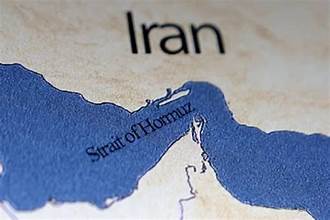
Iran is determined to win international recognition of its control over the Strait of Hormuz and ability to levy fees on ships entering or leaving the Gulf even if it has to do so by force, two senior Iranian sources said.
Under this month’s interim deal with the U.S. to end their three-month conflict, Iran agreed to let ships pass through the Strait for 60 days without charge. But it believes the wording of the agreement allows it to keep control of which ships may pass and which route they take through the narrow waterway.
It is also determined to secure lasting formal acceptance of this control once the interim phase expires, and its negotiators will not move to other areas of dispute in ongoing peace talks with Washington until that has been agreed, the sources said.
If the interim deal ends without being extended, Iran would start charging ships for passage in mid-August, though it has not yet laid out any list of what fees it will charge or how. Iran closed the Strait when the war began and Iranian officials have said authorities charged some vessels navigation or other fees to leave the Gulf.
Any lasting Iranian control over the Strait of Hormuz, with formalities and fees for ships, would add costs, delays and risks to all shipping through a waterway that before the war transported a fifth of global energy supplies plus other critical goods.
Passage through the Strait was never previously subject to fees and Tehran’s position runs directly counter to U.S. interpretations of the interim Memorandum of Understanding agreed on June 17, and to Washington’s stance on what the ultimate post-war arrangements will be.
Discover more from Keeping Them Honest
Subscribe to get the latest posts sent to your email.