

By Yinka Giwa
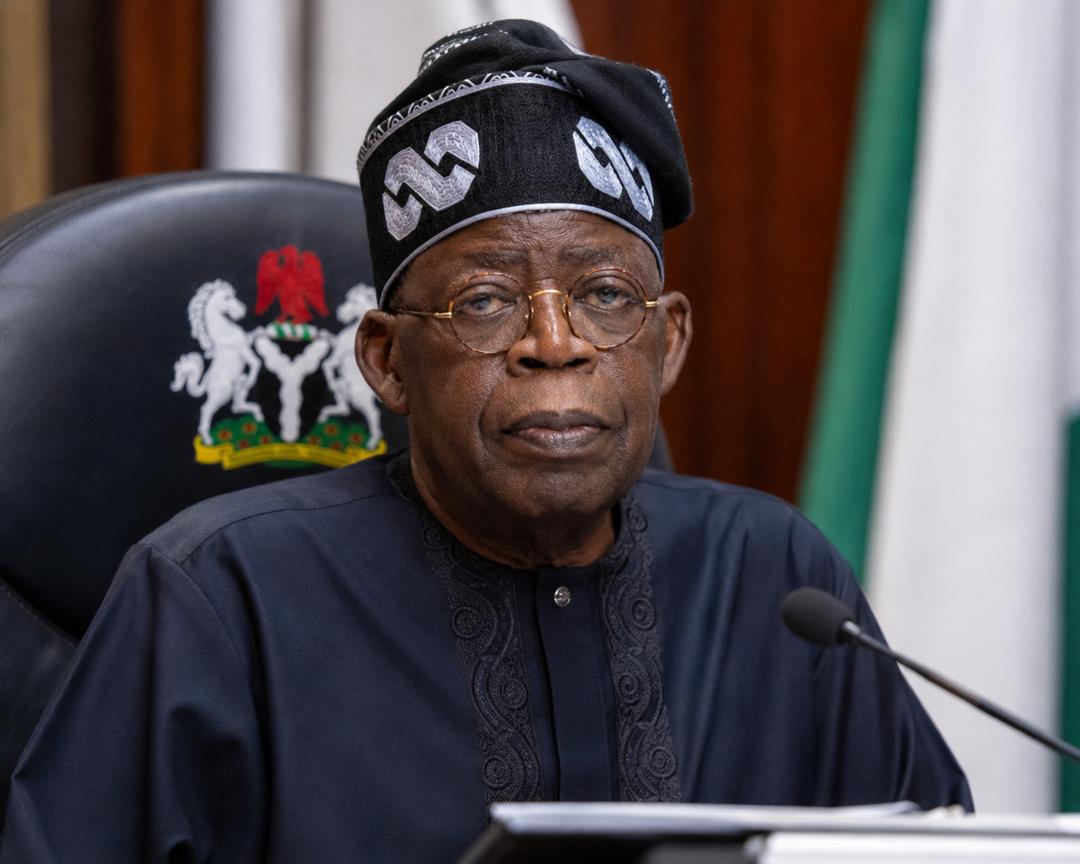
President Bola Ahmed Tinubu has approved the establishment of a Presidential Task Force on Ebola Virus Disease Preparedness and Emerging Public Health Threats and directed the immediate release of N10 billion to strengthen Nigeria’s readiness against a possible outbreak.
The emergency intervention fund is expected to bolster the operational capacity of the National Centre for Disease Control and Prevention (NCDC) and support critical public health response measures across the country.
The Presidential Task Force, to be chaired by the President’s Chief of Staff, Femi Gbajabiamila, will comprise representatives of key Ministries, Departments and Agencies (MDAs), as well as state governments.
The move comes amid renewed concerns over the resurgence of Ebola in the Democratic Republic of Congo and Uganda, raising fears of possible cross-border transmission within the region.
President Tinubu’s approval followed a high-level stakeholders’ meeting convened by the Chief of Staff to assess Nigeria’s preparedness and formulate strategies to prevent the importation of the deadly virus.
Participants at the meeting included representatives of the Ministry of Interior, the Federal Airports Authority of Nigeria (FAAN), the Nigeria Immigration Service (NIS), the Nigerian Civil Aviation Authority (NCAA), the Lagos State Government and other relevant agencies.
As part of the emergency measures, the President directed all states with international airports and border corridors, alongside relevant MDAs, to submit detailed preparedness plans, funding requirements, and intervention needs for coordinated national implementation.
The Task Force is expected to intensify passenger screening at international airports through enhanced temperature checks and crowd-control protocols. It will also strengthen surveillance of travellers arriving through high-risk routes, including Air Uganda, RwandAir, Air Tanzania, TAAG Angola Airlines, Kenya Airways, and Ethiopian Airlines.
Other immediate measures include the activation of referral and isolation centres at the international airports in Lagos and Abuja, with similar facilities to be established at other airports nationwide.
The government will also enforce the use of QR code-based pre-arrival health declaration systems for passengers arriving from or transiting through designated high-risk countries, while airport facilities, baggage areas, cargo terminals, and departure halls will undergo routine disinfection as a preventive measure.
President Tinubu further instructed the advisory group to work closely with security, diplomatic, and aviation authorities on possible regulations governing flights from affected and high-risk countries.
The Task Force is also expected to designate specific airports or terminals for high-risk flights to facilitate controlled screening and isolation procedures, while considering flight scheduling adjustments aimed at reducing interaction between high-risk passengers and the general travelling public.
The President said the measures are intended to ensure Nigeria remains vigilant, prepared, and capable of responding swiftly to any emerging public health threat.
Discover more from Keeping Them Honest
Subscribe to get the latest posts sent to your email.