

By Yinka Giwa
The Presidency on Thursday said Nigeria has reached a broad national consensus on the establishment of state police, with ongoing consultations now focused on resolving constitutional and legal issues required to bring the initiative into effect.
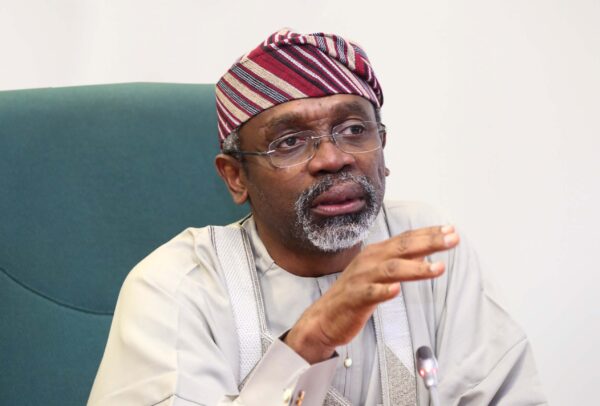
Chief of Staff to the President, Femi Gbajabiamila, disclosed this while briefing State House correspondents after a high-level consultative meeting on state police held at the Presidential Villa, Abuja.
According to him, deliberations on the proposed state police structure began several months ago following President Bola Tinubu’s directive and have recorded significant progress.
Gbajabiamila noted that discussions have moved beyond whether Nigeria should adopt state policing, stressing that stakeholders across government and the security sector are now concentrating on creating a workable constitutional and institutional framework.
He explained that establishing state police requires extensive constitutional amendments and supporting legislation, adding that the process cannot be rushed.
“We started deliberations in the last three or four months on how to go about the establishment of state police as directed by Mr President. Establishing state police is not something that you do with the snap of the fingers. There is a lot involved in terms of constitutional and legal considerations, and we have now gained substantial traction,” he said.
He expressed optimism that the required constitutional amendment would be introduced soon, after which the details of the proposed framework would be made public.
According to him, current discussions are centred on the constitutional amendment process, while enabling laws to guide implementation will follow thereafter.
Gbajabiamila said President Tinubu, a long-standing advocate of state police, would receive a comprehensive report on the outcome of the consultations.
The meeting formed part of ongoing efforts by the Federal Government to develop a practical framework for state police as a strategy to strengthen internal security, improve intelligence gathering at the grassroots, and enhance the capacity of states to tackle emerging security threats.
Among those at the meeting were Deputy Senate President Jibrin Barau, Deputy Speaker of the House of Representatives Benjamin Kalu, Inspector-General of Police Tunji Disu, and other senior government officials.
Discover more from Keeping Them Honest
Subscribe to get the latest posts sent to your email.