
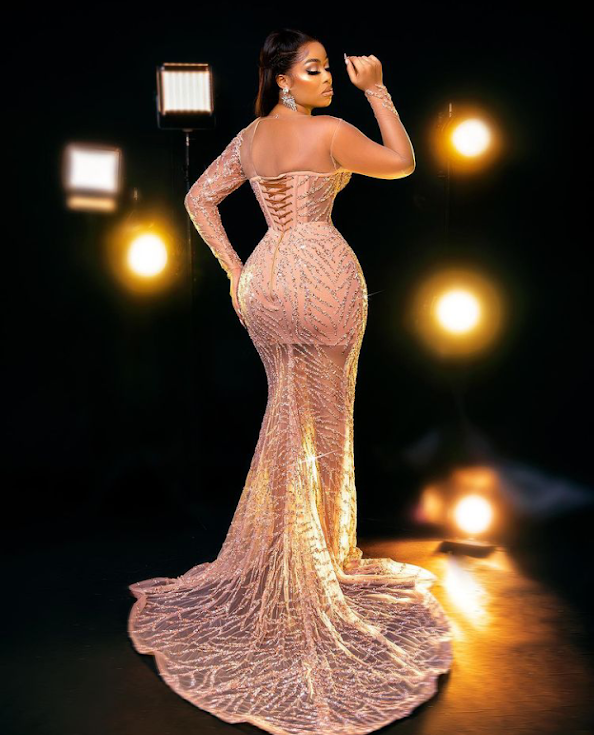
Over the past decade, Nollywood, Nigeria’s booming film industry, has seen a marked shift in beauty standards. Historically, the industry celebrated diverse looks, but the early 2020s ushered in a preference for curvier figures, heavily influenced by global pop culture and social media aesthetics. BBLs cosmetic procedures that enhance the size and shape of the buttocks via fat transfer have moved from taboo to normalised beauty enhancements among actresses and influencers.
Actresses and personalities are now more publicly candid about these procedures. Some, like Uche Ogbodo, have openly discussed undergoing BBL surgery, citing personal reasons such as confidence and mental health after childbirth. Other celebrities, whether confirmed or rumoured, have fueled conversations across social platforms.
It is believed that Several forces are driving this shift:
1. Influence of Global & Local Pop Culture
The beauty ideals celebrated by Afrobeats stars, social media influencers, and Nollywood personalities have shaped public perception of attractiveness. Curvaceous figures, often highlighted on Instagram and TikTok, now carry cultural weight as aspirational.
2. Social Media & Visibility
Platforms reward exaggerated forms of beauty with likes, shares, and brand deals. Actresses who embrace enhanced bodies often see higher engagement and public attention, creating a feedback loop where more stars feel pressured to conform.
3. Redefined Standards
With more public figures displaying enhanced bodies without stigma, BBL and similar cosmetic modifications are no longer whispered about; they’re celebrated, shared, and even taught through influencer content.
4. Health & Safety Implications
While BBLs are popular, they carry serious medical risks, especially in contexts where regulation and surgical standards vary widely.
BBL is considered one of the higher-risk cosmetic procedures. If not done properly by a qualified plastic surgeon, risks include:
• Fat embolism, where injected fat enters the bloodstream — potentially fatal
• Infections and sepsis
• Prolonged swelling and uneven contours
• Irregular fat absorption or necrosis
• Complications requiring corrective surgery
In bustling cities like Lagos, the cosmetic surgery scene has expanded rapidly, sometimes with clinicians operating outside strict medical oversight. This accessibility without proper regulation amplifies risk.
The normalisation of BBL bodies in Nollywood reflects broader cultural shifts where beauty ideals evolve with media, celebrity influence, and globalisation. While personal empowerment and confidence are valid reasons some choose surgery, it’s vital to understand the health risks and social pressures involved.
True transformation in the industry should honour diverse bodies, safe medical practices, and talent first — not just curves.
Discover more from Keeping Them Honest
Subscribe to get the latest posts sent to your email.