

…More Nigerians to Face Tough Scrutiny Over Public Aid Dependence
By John Paul
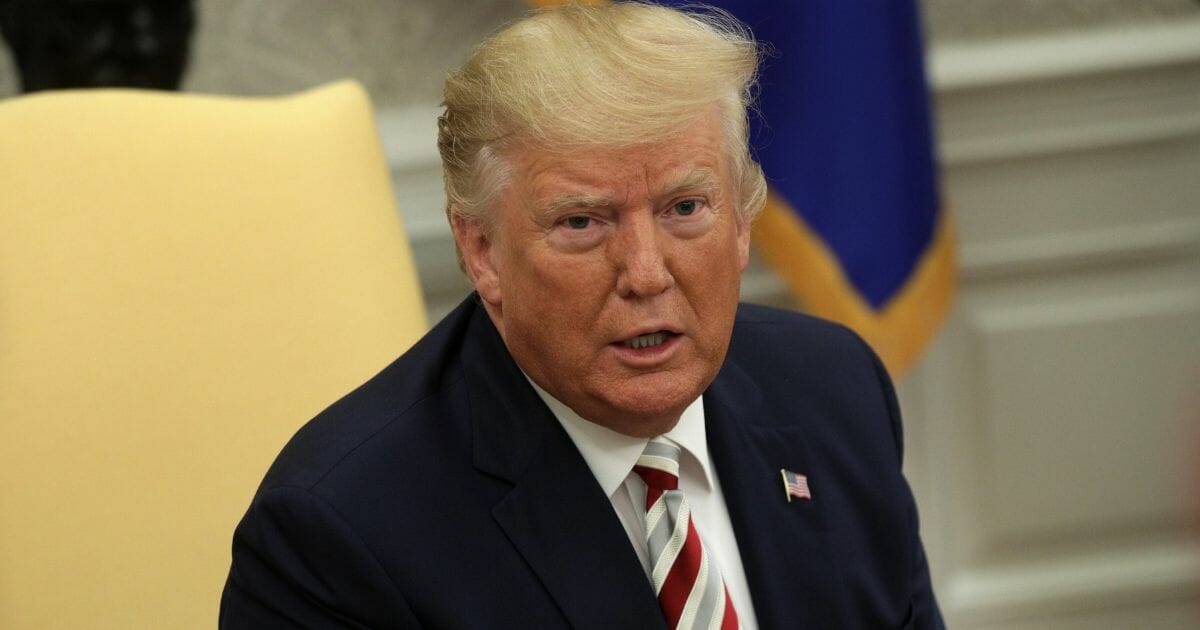
Nigerians seeking to travel to the United States are bracing for tougher days ahead, as President Donald Trump’s administration has reinstated a controversial visa policy that could drastically limit approvals for many categories of applicants.
The revived “public charge” rule—first introduced during Trump’s earlier tenure—empowers U.S. consular officers to deny visas to individuals considered likely to depend on public assistance once in America. The State Department has ordered all U.S. embassies and consulates worldwide to begin immediate enforcement, effectively rolling back the more lenient stance adopted under President Joe Biden.
Under the new directive, visa officers will assess applicants based on a range of personal factors including age, health, financial stability, English proficiency, and potential long-term medical expenses. Applicants who appear unable to sustain themselves without state support risk being classified as “public charges” and denied entry.
A State Department memo obtained by Keeping Them Honest Daily emphasizes that consular officers must take a “comprehensive view” of every case, examining each applicant’s petition, financial documents, affidavit of support, medical report, and any additional information uncovered during background checks.
Particularly vulnerable under the revived policy are older applicants, as the memo notes that “long-term medical or institutional care can cost hundreds of thousands of dollars per year and should be considered” when determining eligibility. Analysts say this could disproportionately affect middle-class Nigerians seeking family or retirement-related visas.
The rule is backed by Trump’s new executive order titled “Ending Taxpayer Subsidisation of Open Borders.” The order seeks to ensure that “no taxpayer-funded benefits go to unqualified aliens,” giving visa officers wide discretion to interpret financial vulnerability as grounds for denial.
“There is no ‘bright line’ test,” the directive states. “Officers must weigh all aspects of the case to decide whether an applicant is more likely than not to become a public charge at any time.”
A senior State Department official, defending the decision, said the administration was correcting what it called “years of reckless immigration policies” under Biden. “American taxpayers were being forced to foot the bill for people who came with no means of support. That era is over,” the official declared.
The move represents a full reversal of the Biden-era 2022 guidelines, which had narrowed the definition of “public charge” to cover only direct cash benefits and long-term institutional care. Trump’s new directive once again broadens the scope to include programs such as food stamps, Medicaid, housing vouchers, and WIC nutrition support.
Under the revised enforcement, visa officers are now required to “verify all supporting financial documents” and may reject applications deemed inconsistent or incomplete. Immigration experts warn that this will likely lead to longer processing times and a higher rate of denials, particularly for Nigerians applying for student, work, or family reunification visas.
Trump’s reinstatement of the policy signals a renewed emphasis on what his administration calls “economic self-sufficiency” as a precondition for entry into the U.S., a move critics say discriminates against applicants from developing nations.
Discover more from Keeping Them Honest
Subscribe to get the latest posts sent to your email.