

…International Crisis Group says U.S. Threat to Nigeria May Mask Broader Geopolitical Motive
A new report by the International Crisis Group suggests that the United States’ threat of “humanitarian intervention” in Nigeria may be driven by geopolitical interests rather than purely moral concern. The report examines the mounting tension between Washington and Abuja following President Donald Trump’s warning that the U.S. could suspend aid and even take military action if Nigeria fails to curb violence against Christians.
While the official justification is rooted in alleged religious persecution, the Crisis Group highlights an alternative theory circulating in Nigerian government circles: that the U.S. is deliberately amplifying faith-based divisions to weaken Nigeria’s influence in regional and global affairs. According to this theory, Washington’s sudden focus on religious violence may be intended to punish Nigeria for policy decisions that the Trump administration considers unfriendly or defiant.
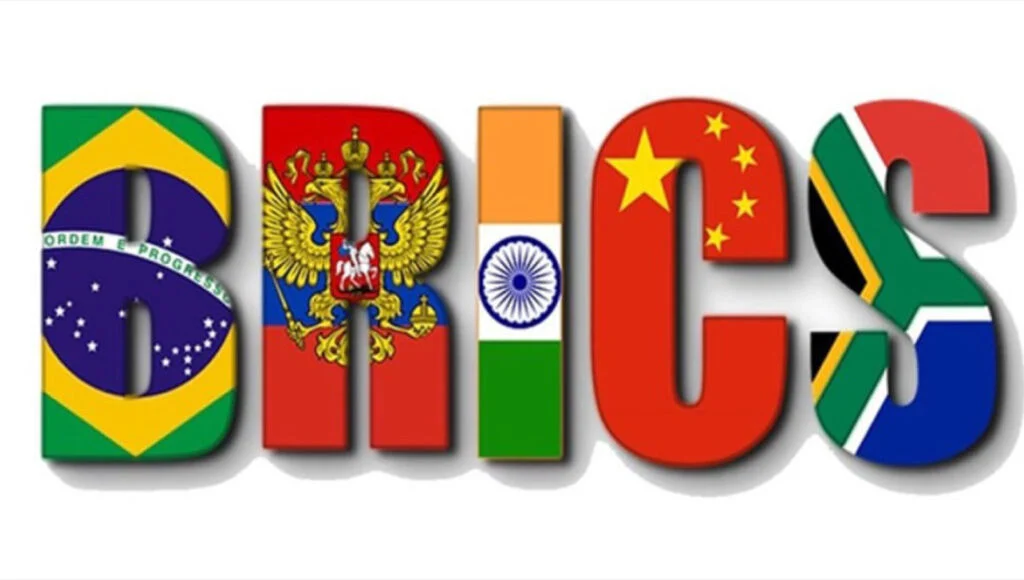
Key among these was Nigeria’s decision in January to join the BRICS bloc as a “partner member,” a move Trump denounced as “anti-American” and designed to undermine the dollar. Then in July, Nigeria rebuffed a U.S. request to accept deportees from Venezuela, some of them convicted criminals with no Nigerian ties. In September, Vice President Kashim Shettima openly criticised Israel’s campaign in Gaza at the United Nations—remarks that, according to the theory, prompted sympathetic U.S. media outlets to amplify stories of Christian persecution in Nigeria as a counter-narrative.
That same month, President Bola Tinubu appeared to mock U.S. trade pressure, saying Nigeria’s growing non-oil revenue meant “no fear of whatever Trump is doing on the other side.” Some observers saw this then as a diplomatic misstep that could provoke retaliation. The Crisis Group also notes that Tinubu’s decision not to meet Trump since taking office—delegating UN duties to his deputy while visiting France eight times in two years—has added to the perception in Washington that Nigeria is leaning toward Paris and away from its traditional Western ally.
According to the Crisis Group, these accumulated irritants have given rise to a U.S. strategy that uses religious freedom as leverage—linking Nigeria’s internal conflicts to human rights violations and setting the stage for coercive diplomacy. By labelling Nigeria a “Country of Particular Concern,” the Trump administration has applied pressure that could justify sanctions or direct action under the pretext of humanitarian urgency.
The report warns that such framing distorts Nigeria’s security realities. Violence in Nigeria, it argues, is driven less by religion than by a tangle of economic, ethnic, and governance failures—ranging from jihadist insurgency and farmer-herder clashes to banditry and state incapacity. Reducing this complexity to a story of Christian persecution risks inflaming sectarian tensions and eroding the delicate balance that holds the country together.
For Abuja, the implications are serious. A U.S. intervention, even rhetorical, challenges Nigeria’s sovereignty and international standing at a time when it is seeking greater global recognition, including a permanent seat on a reformed UN Security Council. Domestically, the perception that Washington is siding with one faith community could embolden extremists and heighten mistrust between Christians and Muslims.
The Crisis Group cautions that Washington, too, stands to lose credibility if its actions appear selective or politically motivated. Using the language of human rights to mask strategic competition, it argues, risks alienating African partners and strengthening rival powers who present themselves as non-interventionist alternatives.
Instead, the report calls for a reset in U.S.–Nigeria relations—grounded in mutual respect, shared security goals, and data-driven understanding of Nigeria’s conflicts. It urges both sides to move away from confrontation and engage through dialogue, intelligence cooperation, and governance reform.
Ultimately, the Crisis Group concludes that the crisis is not only about religion or rights but about power, influence, and perception. Whether by accident or design, Washington’s latest posture has reopened old wounds in Nigeria’s fragile union—testing Abuja’s diplomacy, sovereignty, and resilience on the world stage.
Discover more from Keeping Them Honest
Subscribe to get the latest posts sent to your email.