

…BudgIT: 28 States Still Rely on FAAC for Over Half of Revenue
By Yinka Giwa
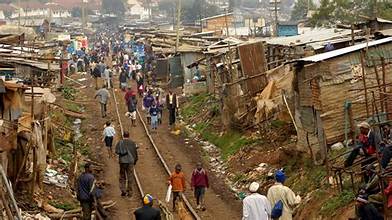
Nigeria’s economy suffered one of its steepest declines in modern history in 2024, as gross domestic product (GDP) per capita fell by 66 percent, pushing more than 65 million citizens into poverty, according to a new report by Quartus Economics.
The report, titled “Forty Years of Structural Adjustment: Is Africa’s Eagle Stuck or Soaring Back to Life?”, traced the trajectory of Nigeria’s economic reforms since 1986 and concluded that the nation’s “fragile structure” and persistent policy reversals have wiped out much of the progress achieved over the past four decades.
Quartus noted that despite Nigeria’s GDP tripling from $87.5 billion in 1990 to nearly $252 billion in 2024, the benefits of growth failed to translate into improved living standards. The report revealed that over the same period, the naira lost 99.7 percent of its value, eroding household incomes and deepening poverty across the country.
“Policy inconsistencies and weak implementation led to a recurring cycle of mixed results and missed opportunities,” the firm said. “As a result, the goal of inclusive, export-led growth has remained elusive. Over time, the structural imbalance between population growth and productivity widened sharply.”
Between 2014 and 2023, Nigeria experienced what Quartus described as “its most severe growth slowdown in a generation.” The decade-long slump, driven by collapsing oil prices, poor governance, and restrictive economic policies, resulted in double-digit inflation, dwindling foreign investment, and widespread job losses.
“Inflation surged above 30%, per capita GDP contracted, and capital inflows dwindled to historic lows,” the report stated. “Yet, evidence showed the Nigerian situation was sadly peculiar — a combination of economic missteps and policy reversals that entrenched vulnerability rather than resilience.”
Quartus acknowledged that the 2023–2024 reforms, notably the removal of fuel subsidies and the liberalisation of the foreign exchange market, were “decisive measures” that prevented a deeper economic collapse. However, it warned that the initial benefits were offset by a sharp rise in inflation and worsening cost-of-living pressures.
By late 2024, some signs of recovery began to emerge: GDP expanded by nearly 4 percent, the manufacturing and mining sectors returned to growth, and for the first time in years, economic expansion outpaced population growth. The report also cited modest improvements in currency stability and a rise in foreign reserves to $42 billion by October 2025 as signs of returning investor confidence.
Yet, Quartus cautioned that these gains were fragile and uneven. “Per capita income remains far below its pre-crisis level, the export base is still narrow, and structural inefficiencies persist in public sector governance,” it said.
To achieve lasting recovery, the firm urged the government to “move beyond mere stabilisation” and embrace deep transformation anchored on productivity, enterprise, and governance reform. It also called for the elimination of the entrenched “locust culture”: a metaphor for corruption and rent-seeking behaviour that drains public resources.
“At the moment,” the report concluded, “Nigeria, the African eagle, is unstuck yet has not started to soar. Its recovery is real, but its ability to take flight will depend on discipline, continuity, and a shared commitment to lasting transformation.”
Meanwhile, civic tech organisation BudgIT painted a parallel picture of fiscal fragility at the subnational level. In its 2025 State of States report, BudgIT revealed that 28 of Nigeria’s 36 states relied on the Federation Account Allocation Committee (FAAC) for at least 55 percent of their total revenue in 2024 — despite a 110.74 percent surge in allocations, from ₦5.4 trillion in 2023 to ₦11.38 trillion in 2024.
The organisation found that internally generated revenue (IGR) remained low and uneven across states. Lagos led with an average IGR of ₦541.35 billion, followed by Ogun (₦92.76 billion), Delta (₦74.45 billion), and Kaduna (₦44.82 billion) over a 10-year period. Conversely, Adamawa (₦9.92 billion), Gombe (₦9.54 billion), Taraba (₦7.83 billion), Kebbi (₦7.48 billion), and Yobe (₦6.67 billion) trailed far behind.
While Enugu (381.44%), Bayelsa (173.69%), Abia (129.37%), Osun (98.37%), and Kano (85.90%) led in IGR growth, the overall share of IGR in total recurrent revenue actually fell — from 25.27 percent in 2023 to 20.27 percent in 2024 — highlighting a deepening dependency on federal transfers.
BudgIT also revealed that Abia dedicated 77.05 percent of its total expenditure to capital projects, the highest among all states, followed by Anambra, Enugu, Ebonyi, and Taraba, each spending over 70 percent on infrastructure and development. Conversely, Bauchi, Ekiti, Delta, Benue, Oyo, and Ogun spent more than 60 percent of their budgets on personnel and overheads, reflecting what BudgIT described as “persisting disparities in expenditure priorities.”
Total recurrent revenue for the 35 subnationals rose sharply from ₦8.66 trillion in 2023 to ₦14.4 trillion in 2024, a 66.28 percent increase. Lagos maintained the largest share at 13.42 percent (₦1.93 trillion), slightly down from 14.32 percent in 2023.
Over the past decade, states such as Oyo (785.79%), Delta (708.36%), Niger (683.61%), Ekiti (680.22%), Gombe (643.23%), and Anambra (640.98%) recorded more than 600 percent growth in FAAC allocations. However, Adamawa, Imo, Ogun, Ebonyi, Kogi, and Kebbi saw less than 300 percent growth in the same period.
BudgIT’s fiscal performance ranking placed Anambra at the top for 2025, overtaking Abia, which led the previous year: a reflection of what analysts describe as the state’s improved fiscal discipline and capital prioritisation amid national economic headwinds.
Discover more from Keeping Them Honest
Subscribe to get the latest posts sent to your email.