

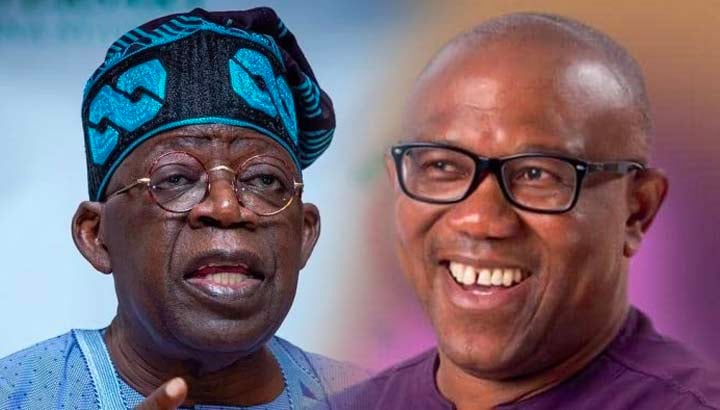
…As National Grid Collapses, Obi Taunts Tinubu on Election Promise
…Urges Nigerians to Vote President Out in 2027
By John Paul
The presidential candidate of the Labour Party (LP) in the 2023 general election, Mr. Peter Obi, yesterday attacked the President Bola Tinubu-led All Progressives Congress (APC) administration for presiding over what he described as the worst record of national grid failures and power outages in Nigeria’s history.
The national electricity grid collapsed again yesterday, plunging parts of the country into darkness after power generation dropped to near zero. Data from the Independent System Operator (ISO) showed generation crashed from 2,917.83 megawatts (MW) to just 1.5MW between 11 am and 12 pm.
Confirming the incident, the Abuja Electricity Distribution Company (AEDC) said the outage was due to grid failure. “Please be informed that the power outage currently being experienced is due to a loss of supply from the national grid at 11:23 am today, affecting electricity supply across our franchise areas,” the company said on X, adding that efforts were ongoing to restore supply once the grid stabilised.
Obi seized on the collapse to remind Nigerians of Tinubu’s campaign pledge. In a post on his X handle, he wrote: “Lest we forget, If I Don’t Give You Constant Electricity in The Next 4 Years, Don’t Vote For Me For Second Term.”
He continued: “The impact is too glaring for Nigerians to forget the promise of Mr. President while campaigning on 22nd December 2022. Yet, the APC and its current government have presided over more grid failures and outages than any government in our history. There are now repeated blackouts despite billions in power investments.”
Obi compared Nigeria’s poor performance with countries like Vietnam, Egypt, Indonesia, and Bangladesh, which he said had doubled power generation and transformed their economies. “Nigeria has barely crawled from 4,500MW to 5,000MW,” he said, lamenting that factories were shutting down while government focused on coastal roads “that will contribute far less to our economic growth.”
“With a GDP of about $200 billion, Nigeria has the capacity to boost its economy if it invests properly in electricity. Generating even a bare minimum of 10,000MW could raise our GDP by about 50%, unlocking industrial growth and creating millions of jobs,” he said, urging Tinubu to prioritise power for small businesses and the productive sector.
Yesterday’s collapse follows a string of disruptions that have raised questions over the stability of the national grid. On February 12, parts of Nigeria went dark after another failure, though the Transmission Company of Nigeria (TCN) denied reports that the grid collapsed twice in one day. In January, the company also dismissed similar claims.
In July, the Nigerian Electricity Regulatory Commission (NERC) insisted there was no collapse in the first quarter of 2025 but admitted it had pushed the System Operator (SO) to strengthen coordination.
Nigeria’s grid has broken down repeatedly over the past year, resulting in nationwide blackouts and reinforcing concerns about the fragility of the country’s power infrastructure.
Discover more from Keeping Them Honest
Subscribe to get the latest posts sent to your email.