

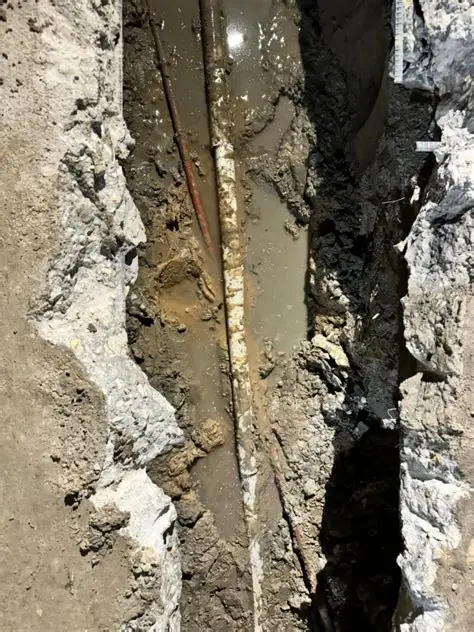
Residents of Wuse Zone 6 District in the FCT have raised concern over broken sewer lines, overflowing refuse and persistent leakages from water pipes across several streets.
They warned that these issues could worsen pollution and pose serious health hazards.
The damaged pipelines and blocked drains have created stagnant pools of foul-smelling water, contaminating the environment.
The affected streets include Mabondo Street by Mbabane, Asmara Street by Glo Mast, Lusaka Street, Rabat Street near the police post, and Cotonou Crescent.
Some residents told NAN yesterday that the situation had persisted for months in spite repeated complaints to relevant authorities.
Mr Chukwuma Nwafor, a resident, said the leakages had disrupted business and damaged access roads.
“Water keeps spilling onto the streets, and the smell is terrible. It is affecting businesses and putting our health at risk,” he said.
Mrs Halima Suleiman, another resident, noted that the stagnant water had become a breeding ground for mosquitoes, raising fears of malaria and water-borne diseases.
“We are worried about the pollution. Children play around here, and the water is clearly contaminated. The authorities should urgently fix these pipes,” she said.
A retired civil servant, Mr Olusola Matthew, described the situation as shameful and called for stronger accountability.
“It’s such a big shame. We can’t drink or wash with the water coming out of the taps.
“The odour is unbearable. In addition to the Water Board, AEPB management ought to be on top of their responsibilities,” he said.
Matthew also appealed to residents to dispose of their refuse responsibly while waiting for government intervention.
“It takes only a little effort to help ourselves by keeping our environment clean,” he added.
He appealed to the FCT Administration to take urgent steps to repair damaged pipelines, ensure rapid response to faults, and strengthen oversight.
He said doing so would improve access to safe water and restore confidence in the city’s infrastructure management.
The FCT Water Board is responsible for water supply infrastructure, while the Abuja Environmental Protection Board (AEPB) oversees sanitation.
However, Abuja continues to face water challenges linked to ageing pipelines, weak maintenance culture and rapid urbanisation.
Discover more from Keeping Them Honest
Subscribe to get the latest posts sent to your email.