

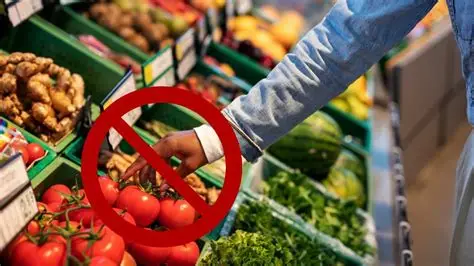
A public health expert yesterday raised concerns over the indiscriminate use of untreated human faeces on farms, stressing that it poses serious risks to public health.
A Deputy Director at the Department of Public Health, Ministry of Health, Gombe State, Dr Sheni Barka, made the warning in an interview in Gombe.
Barka said the call became imperative due to the increasing use of human and animal excreta as a soil-enriching substitute for fertiliser, which many farmers now found too expensive to afford.
He stated that untreated faecal materials negatively impacted human and animal health, as well as the environment.
According to him, both human and animal faeces can harbour pathogens such as bacteria, viruses, and parasites, which can contaminate soil, water, and crops.
He explained that such contamination could lead to the spread of diseases in both livestock and humans through the consumption of contaminated produce or contact with polluted water sources.
“The faeces, if not well handled, can have serious effects on human health, potentially leading to infections, illness, and even death.
“Anything, faeces, you spread on the farm can remain there for a long time and contaminate crops, especially fruits and vegetables.
“If soil or water bodies are polluted with faecal matter, humans can contract waterborne or soil-transmitted diseases,” Barka said.
The public health expert noted that pouring untreated faeces on farmland has similar effects to open defecation and called for collective efforts to eliminate all forms of the practice.
“Farmers must be cautious when handling untreated faeces. If they must apply it, they should follow appropriate hygienic measures to avoid contaminating themselves,” he added.
Barka said that in developed countries, faeces were treated before use, making them safe and valuable as manure for enhancing soil health.
“The water extracted during treatment is often recycled for drinking, and the solid portion can be used to produce briquettes for cooking. Additionally, biogas can be extracted from the waste.”
He urged stakeholders to invest in faecal sludge management, including the establishment of treatment plants that could generate employment and create additional income streams.
Barka also advised residents of Gombe State and Nigerians at large to properly wash their fruits and vegetables with clean water before consumption.
He warned that eating unwashed produce, particularly during the rainy season, could lead to gastrointestinal infections, diarrhoea, and other illnesses.
Discover more from Keeping Them Honest
Subscribe to get the latest posts sent to your email.